I recently stood in front of a room full of developers, designers, and engineers to share a hard truth: the way we used to build products is dead. We spent years perfecting a "Starter Pack" of textbooks and linear handoffs, treating prototypes as a final coat of paint rather than a core engine of discovery.
In our latest workshop, we explored a shift toward a Build Thinking Mindset. This isn't just about using new tools; it’s about how we navigate the high-stakes "practical tool prototype scenario" we find ourselves in today.
In the "good old days" of product design, creating a functional prototype often felt like a luxury—a final step we took only if the timeline allowed. We followed the textbook, built our static screens, and hoped the handoff to engineering would cover the gaps.
But as the complexity of our products grows, I’ve realized that static designs are no longer enough to navigate the "gray area" where logic meets behavior. I’ve been experimenting with a new approach—an Intentional Fidelity Framework—and I wanted to share the mindset shift that has been working for me.
1. Building to Learn vs. Building to Earn
The first major shift is recognizing why we are building in the first place.
Building to Learn: This is about discovery. We tolerate errors and "fail fast" to find evidence that a concept is worth pursuing.
Building to Earn: This is about delivery and value. When the business is at stake, we can no longer just focus on the "happy path". We have to become obsessed with edge cases, security, and scalability.
Building to Learn (Discovery) | = | Building to Earn (Delivery) |
Goal: Discovering if it's worth it | Goal: Delivering real-world value | |
Outcome: Evidence and validated learning | Outcome: Revenue, retention, and scale | |
Risk: High tolerance for error; "fail fast" | Risk: Zero tolerance; the business is at stake | |
Scope: Critical paths and "happy paths" | Scope: All use cases, edge cases, and error states | |
Standard: Sufficient quality to learn | Standard: Production grade: secure, scalable, maintainable |
2. The Prototype as a "Living Spec"
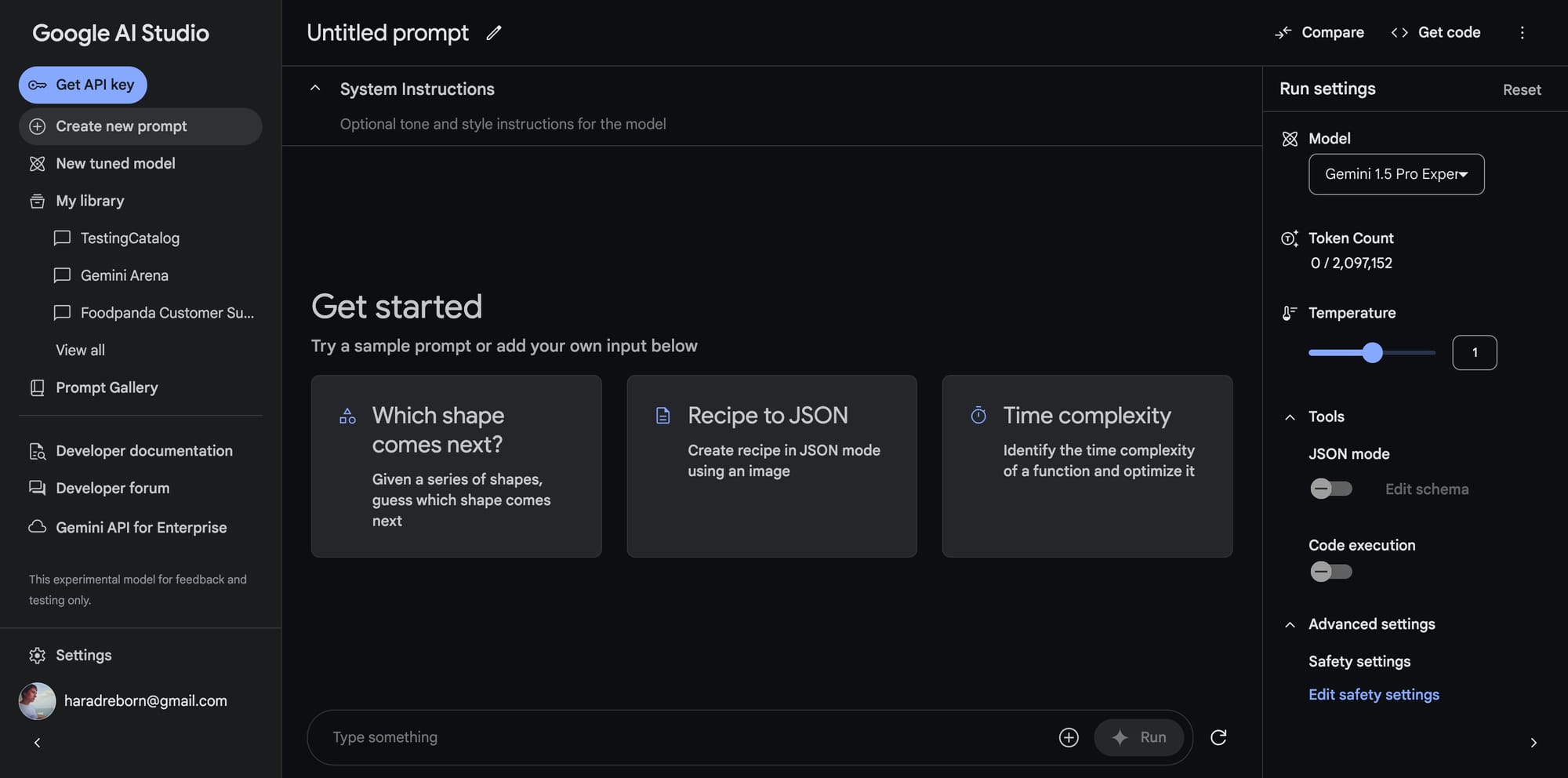
We often treat prototypes as the end goal, but I’ve started viewing them as the means—a "Living Spec". In a world where AI-powered tools like v0, Lovable, and Bolt have made prototyping faster than ever, the prototype has stopped being a luxury and has become our primary language of discovery. It’s how we communicate complex ideas that words or static diagrams simply can't capture.
3. Avoiding the "Functional Illusion"
It’s easy for product teams to fall into a trap: the prototype looks real and it works, so we must be almost done. This is where we must remain humble. A functional prototype is a brilliant discovery tool, but the distance to a production-ready product—complete with error handling, maintainability, and security—is still enormous.
The Illusion: The prototype looks real and it works; therefore, we are almost done.
The Reality: The distance between a functional prototype and a product is massive because of Production Requirements:
Robustness: Handling every edge case and error state.
Security: Compliance, authentication, and data protection.
Ops: Telemetry, observability, and performance at scale.
Infrastructure: Internationalization (i18n) and maintainable code.
Killing the Myth of the "Sacred Prompt"
I’m often asked if there is a "sacred prompt"—that perfect combination of AI instructions that aligns design, user needs, and business goals instantly. Honestly? I haven’t found it yet.
The magic isn't in the tool or the prompt; it’s in the process of iterating, iterating, and iterating. This framework is just what has been working for me to bridge the gap between a great idea and a solid product.
Explore the full methodology and the results below:
View the Full Presentation – A deep dive into the Intentional Fidelity Framework.
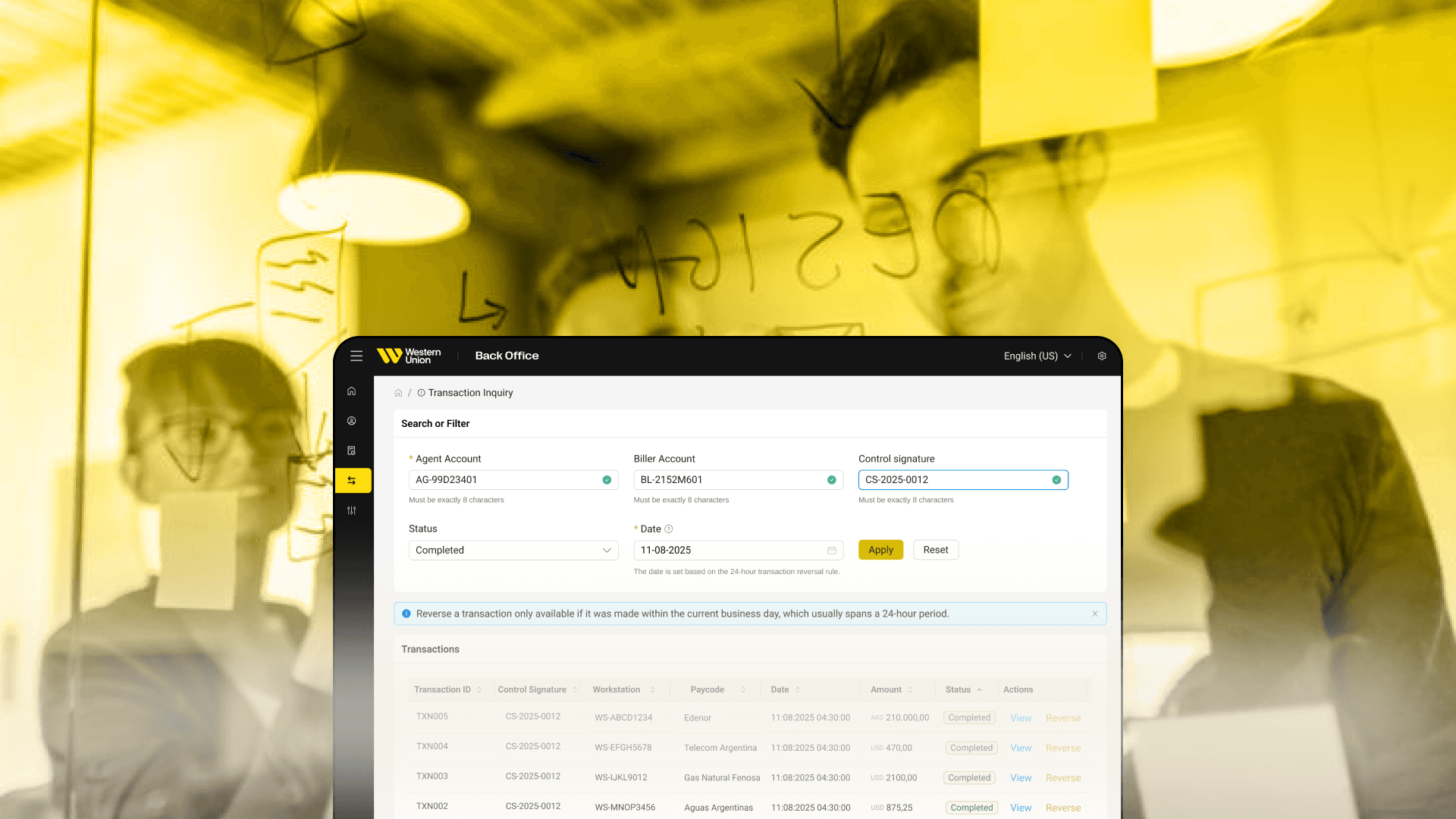
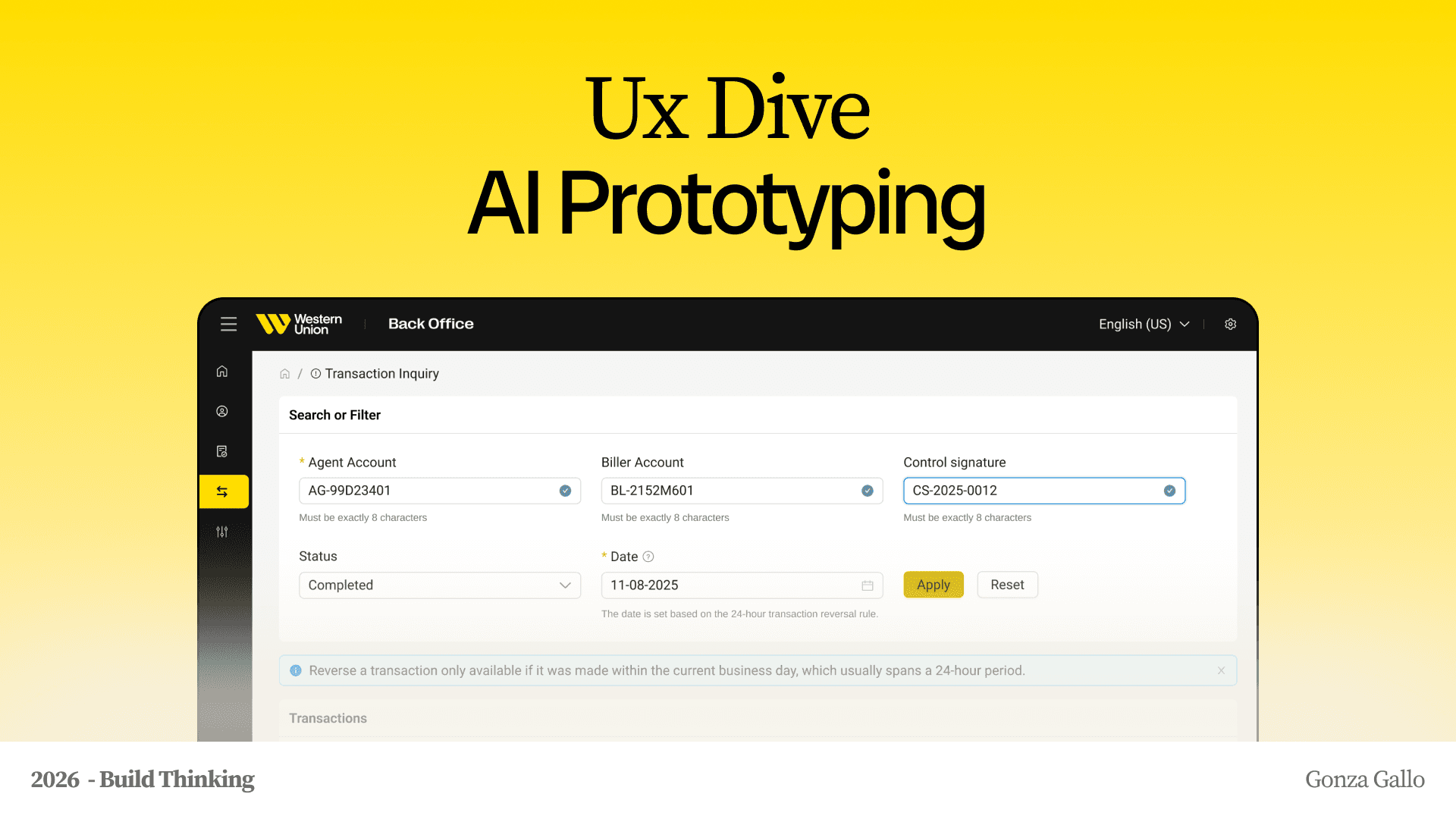
Interact with the Figma Prototype – See how these concepts were applied to a complex transaction reversal flow.